Much of the land that Indonesian plantations and mining companies are asked to bring back into production shares one feature — it is acidic — and very little else. Tropical peat is acidic because of its organic chemistry and is short of the nutrients and base cations crops need. Disturbed mine land is often acidic for an entirely different reason: sulphide minerals in exposed rock oxidise and release acidity, sometimes for years. Coastal soils add a third case, where waterlogged acid sulphate layers become a problem only once they are drained. Each calls for a different purchase.
Same symptom, different remedies
On peat, the work is largely about raising pH to a workable level and supplying what the material lacks — calcium, magnesium and micronutrients such as copper and zinc — while keeping the water table managed so the peat itself does not shrink and oxidise. Agricultural lime and dolomite are the usual tools, and dolomite earns its place where magnesium is short, as it frequently is for oil palm.
On post-mining land, liming the surface treats the symptom while the source of acidity remains in the spoil. The order of work is placement and capping of acid-forming material first, then neutralisation of the growth medium, then rebuilding organic matter so the cover crop and the planted species can establish. Organic amendments and conditioners do much of the long-term work here; lime does the short-term work. Mining reclamation in Indonesia is also bound by the operator's approved reclamation plan, so the amendment programme has to fit that document, not the other way round.
What to write into the specification
Reclamation inputs are priced per tonne and judged per hectare, and value is won or lost in the gap between the two. A coarse, low-grade lime can be cheaper at the quarry and far dearer per unit of neutralisation once freight, barging and spreading have been paid for.
- Agricultural lime and dolomite: neutralising value and fineness together, plus magnesium content for dolomite — not the calcium carbonate figure alone.
- Agricultural gypsum: calcium sulphate content, moisture and percentage passing the stated sieve. It supplies calcium without raising pH, which is a different job from liming.
- Humic and fulvic products: extractable acid content on a dry basis, and confirmation of whether the figure refers to the acids or to the raw leonardite.
- Natural zeolite: cation exchange capacity and particle size, since both decide whether it holds nutrients where roots can reach them.
- Organic media and composts: organic matter, moisture, pH, electrical conductivity and freedom from contaminants and viable weed seed.
The archipelago decides the freight
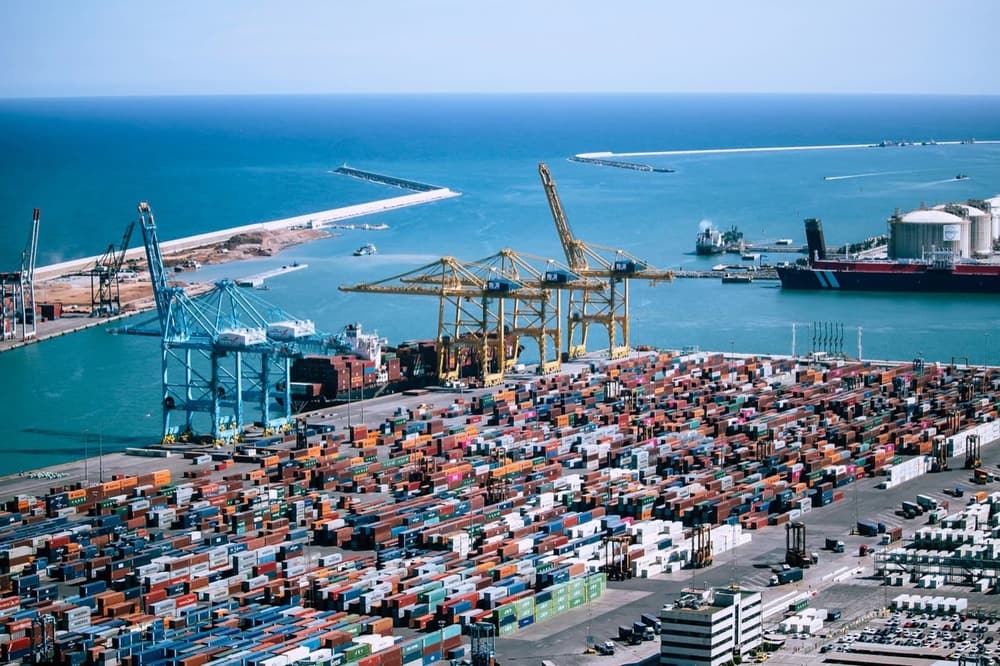
Application rates are measured in tonnes per hectare, so delivered cost dominates and the sourcing question is usually one of geography. A nearer origin at a modest premium will often beat a cheaper distant one once ocean freight, transhipment onto barges and river or road haulage to an inland estate are counted. In Kalimantan and Sumatra, the last stretch from a river jetty to the block can cost as much as the sea leg.
Then there is moisture. Material bought by the tonne and delivered wet is partly bought by the tonne of water — and in a tropical rainy season, stockpiles at the jetty take on water quickly. A moisture cap in the specification, and covered storage at the receiving point, are worth more than a small discount.
Survey first, quote second
The sequence matters more than the product name. Characterise the ground — pH, exchangeable acidity, base saturation, and for mine land the acid-forming potential of the spoil. Confirm how water will be managed. Size the amendment to the measured requirement. Only then ask for prices.
An enquiry that arrives with a soil report and a hectare figure gets a better answer than one that arrives with a product name, because it lets the conversation begin with whether that product is the right one at all.